How to Choose a QBY Pneumatic Diaphragm Pump for Corrosive and High-Viscosity Fluids
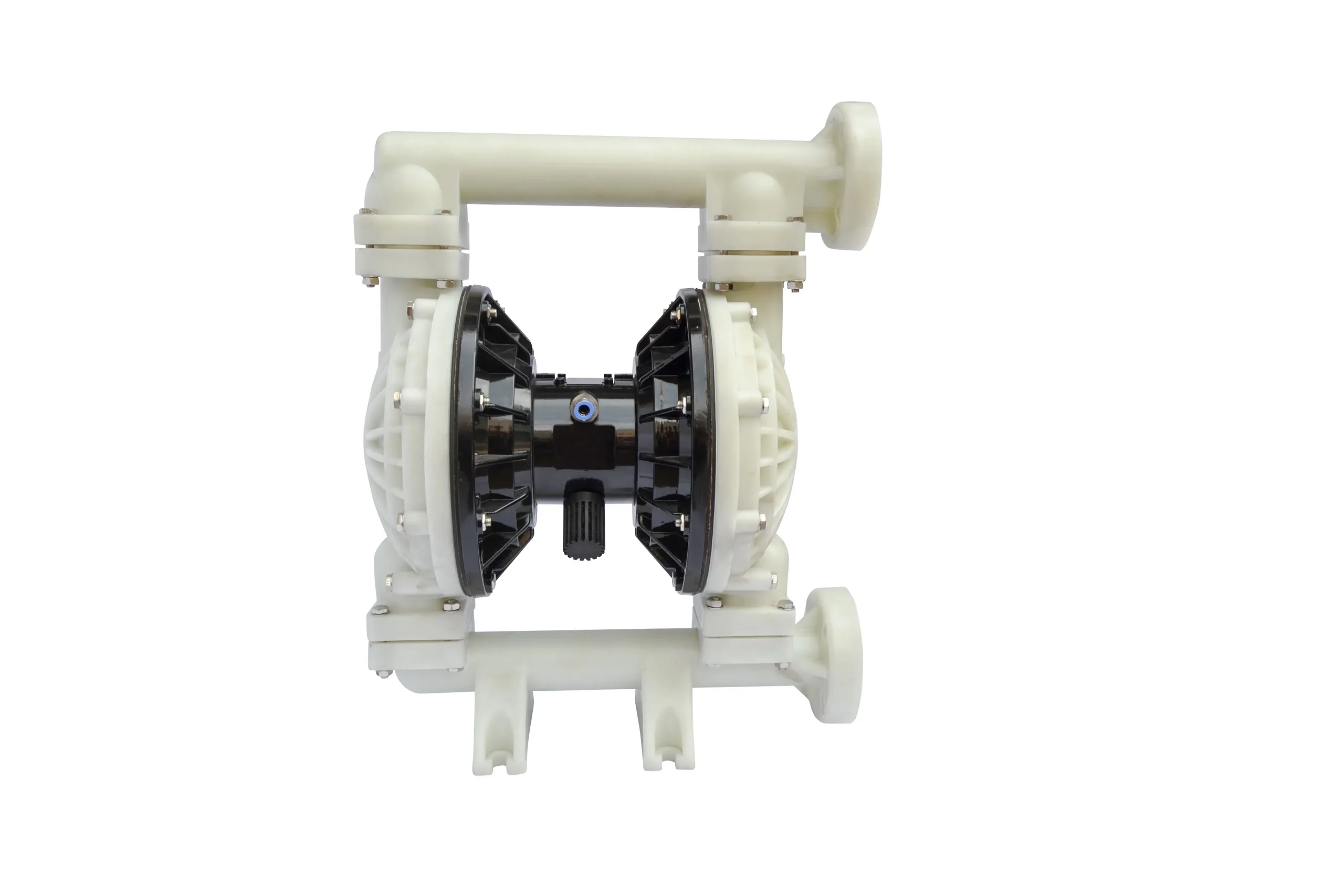
When a process involves corrosive chemicals, viscous liquids, suspended solids or flammable media, a conventional electric pump may create unnecessary maintenance and safety risks. A QBY pneumatic diaphragm pump offers a practical alternative: compressed air drives two flexible diaphragms, so the liquid is transferred without an electric motor or high-speed rotating parts.

Why QBY Air-Operated Diaphragm Pumps Fit Demanding Processes
The QBY series is designed for applications where reliability, compatibility and easy control matter more than complex drive systems. Because the pump is powered by compressed air, it can be used in many areas where electrical equipment is undesirable. Its positive-displacement working principle also makes it suitable for fluids that are difficult for a standard centrifugal pump to handle.
- Self-priming operation: the pump can lift liquid without requiring a separate priming system.
- Explosion-resistant by design: no electric motor is required at the pump, making it a useful choice for properly designed hazardous-area systems.
- Dry-running capability: short periods without liquid are less likely to damage the pump than many conventional technologies.
- Handles challenging media: suitable configurations can transfer corrosive, high-viscosity, particle-containing, flammable or toxic fluids.
- Simple flow adjustment: operators can control output by regulating the air supply.
- Low-leakage construction: the diaphragm separates the pumped liquid from the air mechanism, reducing shaft-seal leakage risks.
Typical Industrial Applications
QBY diaphragm pumps are widely considered for chemical transfer, petrochemical processing, paint and coating circulation, pharmaceutical production, mining, wastewater treatment, food processing and general plant utility duties. Common media include acids and alkalis, solvents, resins, inks, oils, slurries, wastewater and liquids containing soft solids.
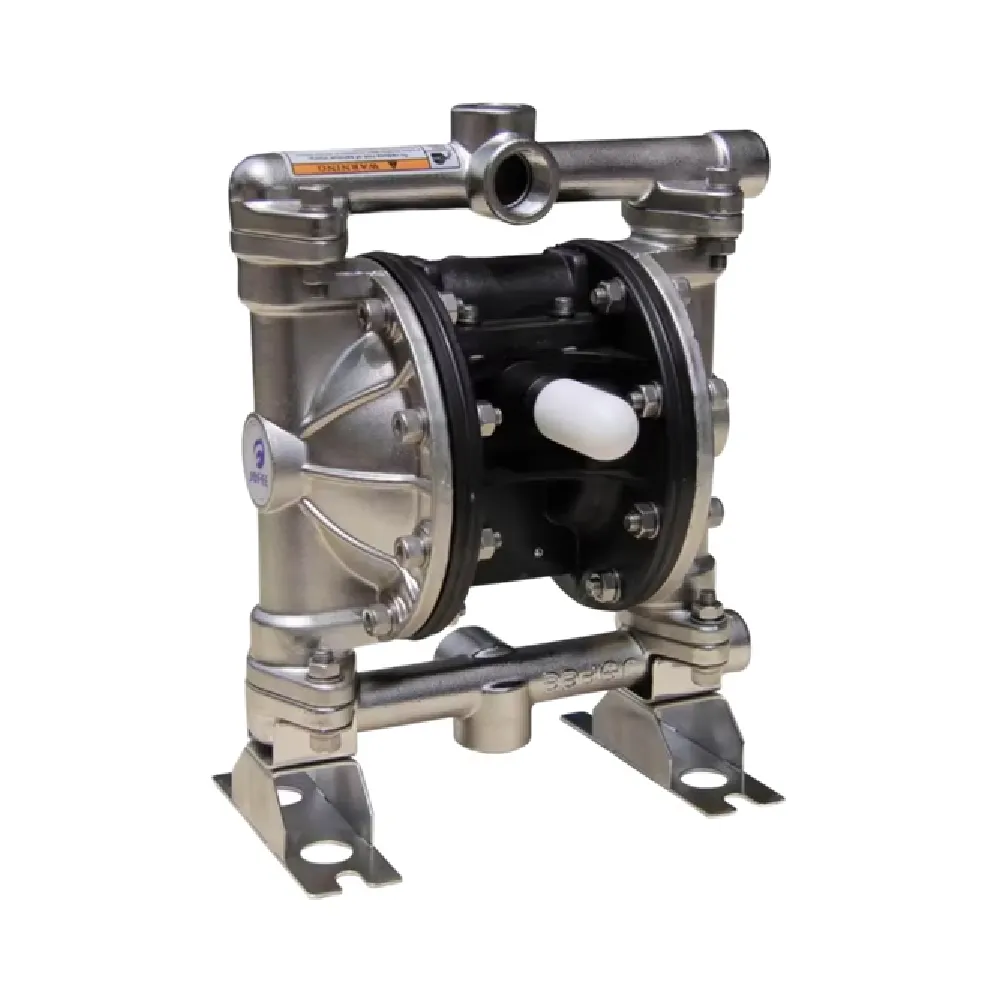
However, “diaphragm pump” is not a complete specification. The correct body, diaphragm, ball and seat materials must be selected for the actual liquid, temperature and cleaning method. A pump that works well with water may not be suitable for a strong solvent or an abrasive slurry.
Four Points to Confirm Before Selecting a Pump
1. Fluid properties and material compatibility
Provide the liquid name, concentration, viscosity, specific gravity, temperature, particle size and whether the fluid is abrasive or flammable. These details determine the appropriate wetted materials. QBY options may include cast iron, aluminum, stainless steel, engineering plastic and rubber components, but final compatibility should always be checked against the real process conditions.
2. Required flow rate and discharge head
Do not choose a pump only by port size. Calculate the desired flow and total dynamic head, including vertical lift, pipe friction, valves and fittings. The BLM QBY range covers flow rates up to approximately 65 m³/h and heads up to approximately 84 m, depending on the selected model and operating conditions.
3. Connection size and installation conditions
Available connection sizes span roughly 1/4 inch to 3 inches. Confirm suction lift, pipe diameter, connection standard, available compressed-air pressure and air consumption. Keeping the suction line short and correctly sized helps the pump perform more reliably, especially with viscous media.
4. Control, maintenance and site safety
Consider whether the pump will run continuously or intermittently, whether flow regulation is needed, and how often diaphragms and valve components can be inspected. For hazardous or toxic service, the complete installation must follow local safety rules, including grounding, ventilation, compatible hoses, pressure protection and safe exhaust-air handling.
A Flexible Pump for Changing Production Needs
One of the strongest advantages of a pneumatic diaphragm pump is flexibility. The same pump family can serve unloading, tank transfer, circulation, dosing support, filter-press feeding and emergency pumping duties when the model and materials are correctly matched. Air operation also provides automatic overload protection: if the discharge is closed, the pump can stall without the motor-overload behavior associated with many electric pumps, then restart when the line opens.
Get the Right QBY Pump Configuration
A dependable selection starts with accurate operating data. Send us your medium, concentration, temperature, viscosity, particle content, required flow, discharge head, connection standard and available air pressure. BLM Machinery can recommend a suitable QBY model and material configuration for your process.